

Walking Together – A Journey to Improve Carer Involvement in Luton CMHTs
24th November 2025
Written by Rachel Gibson-Dunt, Principal Clinical Psychologist in Luton Community Mental Health Teams, and QI Project Lead.
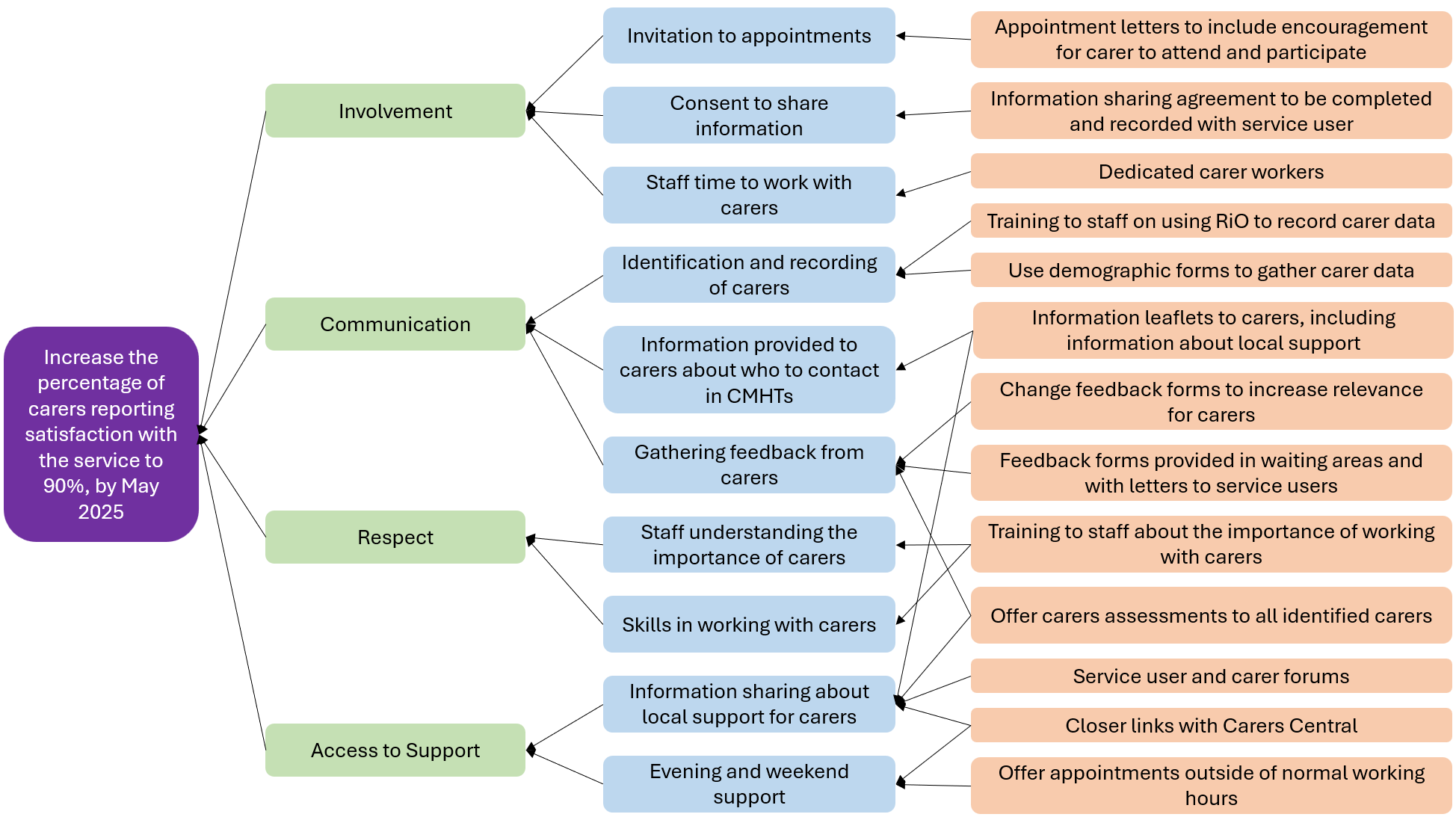
Figure 1: The project driver diagram, laying out what changes the team believed would achieve their aim.
Between December 2022 and June 2025, a dedicated team from the Luton Community Mental Health Teams (CMHTs) embarked on a Quality Improvement (QI) project to improve how carers are involved and supported in mental health services. Sparked by heartfelt feedback from carers, who felt unheard, uninformed, and excluded from key decisions, the team recognised that carer involvement in Luton CMHTs was inconsistent and needed urgent attention.
These voices became the foundation of the project, alongside the ELFT 2022 – 2026 Carers, Friends and Family Strategy (ELFT, 2022), and National Institute for Health and Care Excellence (NICE) guidance for supporting adult carers (NICE, 2020). Led by Rachel Gibson-Dunt, the project brought together carers, clinicians, administrators and data analysts, and further supported by a QI coach and Improvement Advisor. With input from both staff and carers, the diverse team co-produced change ideas, which were presented in a driver diagram (Figure 1).
What changes were tested and what were the results?
To drive ongoing staff involvement and ensure those caring for people with mental health problems are supported, Carer Leads were appointed in both the Luton CMHT North Hub and Luton CMHT South hub. Databases were created to identify carers and track carer assessments. Between January 2024 and March 2025, 54 carers were added to the South Hub database, we measured this on a run chart (Figure 2). A handbook was produced for carers in Luton, providing information about the support available for them and the people they care for. Forums and conferences helped to keep conversations going and gather feedback from both carers and staff.
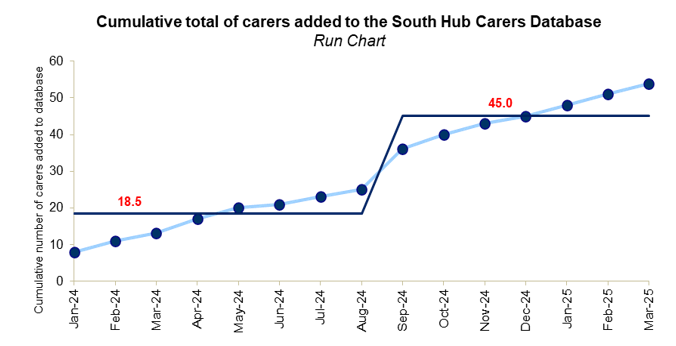
Figure 2: Cumulative total of carers added to the South Hub Carers Database
Amended letters were sent to encourage service users to bring carers to their first appointments. However, in the first Plan-Do-Study-Act (PDSA) cycle, these didn’t lead to increased carer attendance as predicted. Further investigation revealed that the letters were not being sent consistently. In the second PDSA cycle, we ensured staff were sending the amended letters. When comparing a three-month period before the letters were amended, with a three-month period a year later, our data showed an 8.8% increase in carers attending appointments (Figure 3).
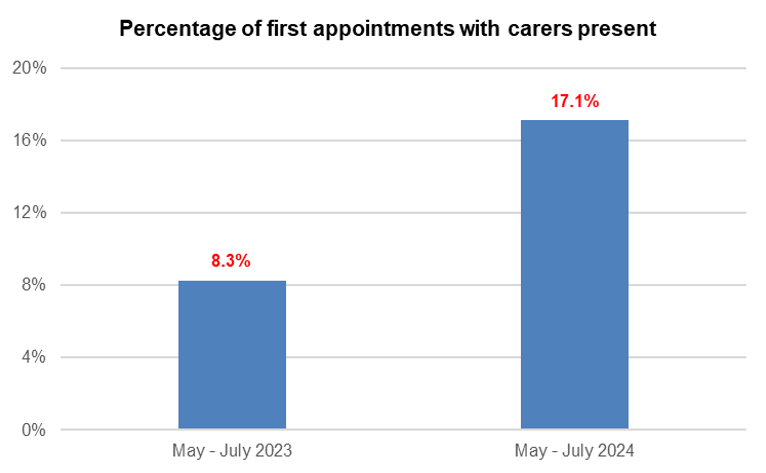
Figure 3: Percentage of carers attending first appointments
Throughout 2024, four co-produced training sessions were delivered to 35 CMHT staff, focusing on carer involvement, legislation, compassion, and practical support. Analysis of pre- and post-training questionnaires highlighted the powerful impact of these sessions. Staff reported a deeper understanding of the importance of involving carers, their confidence in involving and supporting carers, and knowledge of policies and legislation for carers (Figure 4). One participant reflected: ‘It’s so important to support carers as much as possible. They are travelling the journey alongside their loved one, and it can be long and difficult at times’. To ensure successful implementation of the training beyond the QI project, Carers Leads have been trained as trainers.
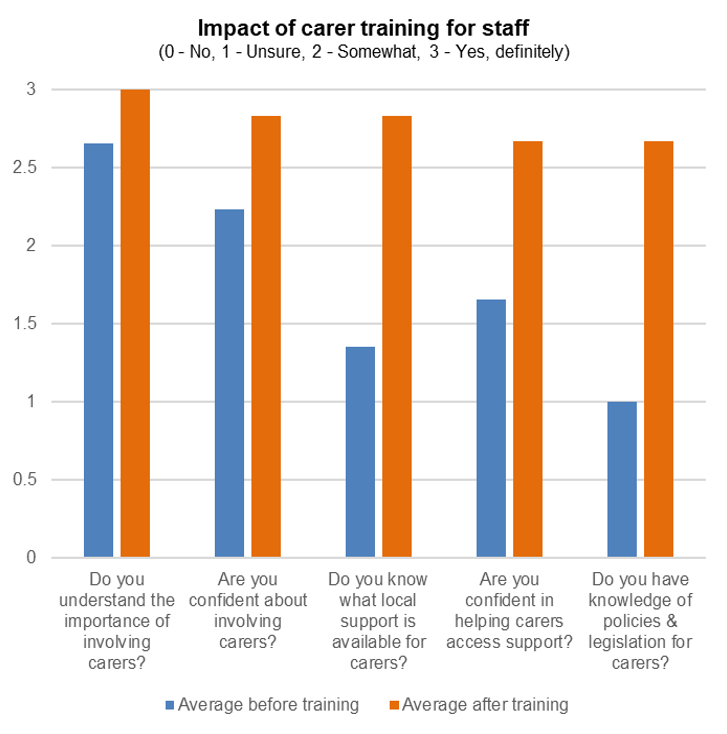
Figure 4: Impact of carer training for staff
By May 2025, it was evident that the dedication of staff and carers had paid off. 100% of respondents to the carer feedback survey reported satisfaction with the support they received, exceeding our target of 90%. The project not only achieved its goal but also laid the foundation for lasting change, including greater identification and involvement of carers, enhanced staff awareness and training, and a strengthening culture of collaboration between carers and professionals.
The project team took time to reflect on the key lessons learned throughout the project. They recognised the importance of setting a SMART aim and developing a robust measurement plan. While sustaining momentum proved challenging at times, it was achievable through shared commitment. Both carers and staff highlighted the value of working collaboratively.
The legacy of the project continues. Carer databases are actively maintained, the Carers Handbook is fully accessible online, and quarterly training continues across Luton and Bedfordshire. Carers have reported feeling informed, valued, and truly involved, evidence that the project has created lasting change in how carers and professionals work together.
References:
East London NHS Foundation Trust [ELFT] (2022). ELFT Carers Friends & Families Strategy (2022-2026). [Available online: https://online.fliphtml5.com/bnexl/ziwt/]
National Institute for Health and Care Excellence [NICE] (2020). Supporting adult carers. [NICE Guideline No. 150]. [Available online: https://www.nice.org.uk/guidance/NG150]
Most Read Stories
-
Why is Quality Control important?
18th July 2018
-
2016 QI Conference Poster Presentations
22nd March 2016
-
Recognising Racism: Using QI to Help Take Action
21st January 2021
-
QI Essentials: What does a Chief Quality Officer do?
18th March 2019

-
-
Using data enabled us to understand our problem
31st March 2023

Follow QI on social media
To keep up to date on the latest concerning QI at ELFT, follow us on our socials.