

2025 in Review: Celebrating a Year of Improvement Across London CHS
20th January 2026
Written by Dr Alex Harborne, Clinical Director for Tower Hamlets CHS, Dr Rajeev Shah, Clinical Director for Newham CHS, and Chloe Preston, Improvement Advisor
2025 was a busy year for Quality Improvement (QI) across London Community Health Services (CHS). From tackling missed appointments to strengthening workforce culture, teams have come together to test ideas, learn quickly, and deliver meaningful improvements for service users, carers, and staff.

The monthly QI forum welcomed an average of 20 attendees, including staff, service users and carers, creating a shared space to educate, energise, and empower people to lead meaningful improvement together.
Putting people at the heart of improvement
One of the standout achievements in London CHS this year was the meaningful involvement of people with lived experience in QI work. East London Foundation Trust (ELFT) is committed to including service users and carers in all QI projects through “Big I” involvement. In 2025, Big I involvement across London CHS projects averaged an incredible 94%, rising to 100% between July and September, a milestone never previously achieved at ELFT (Figure 1). This commitment ensured that improvement work was consistently shaped by what matters most to service users, carers and families.
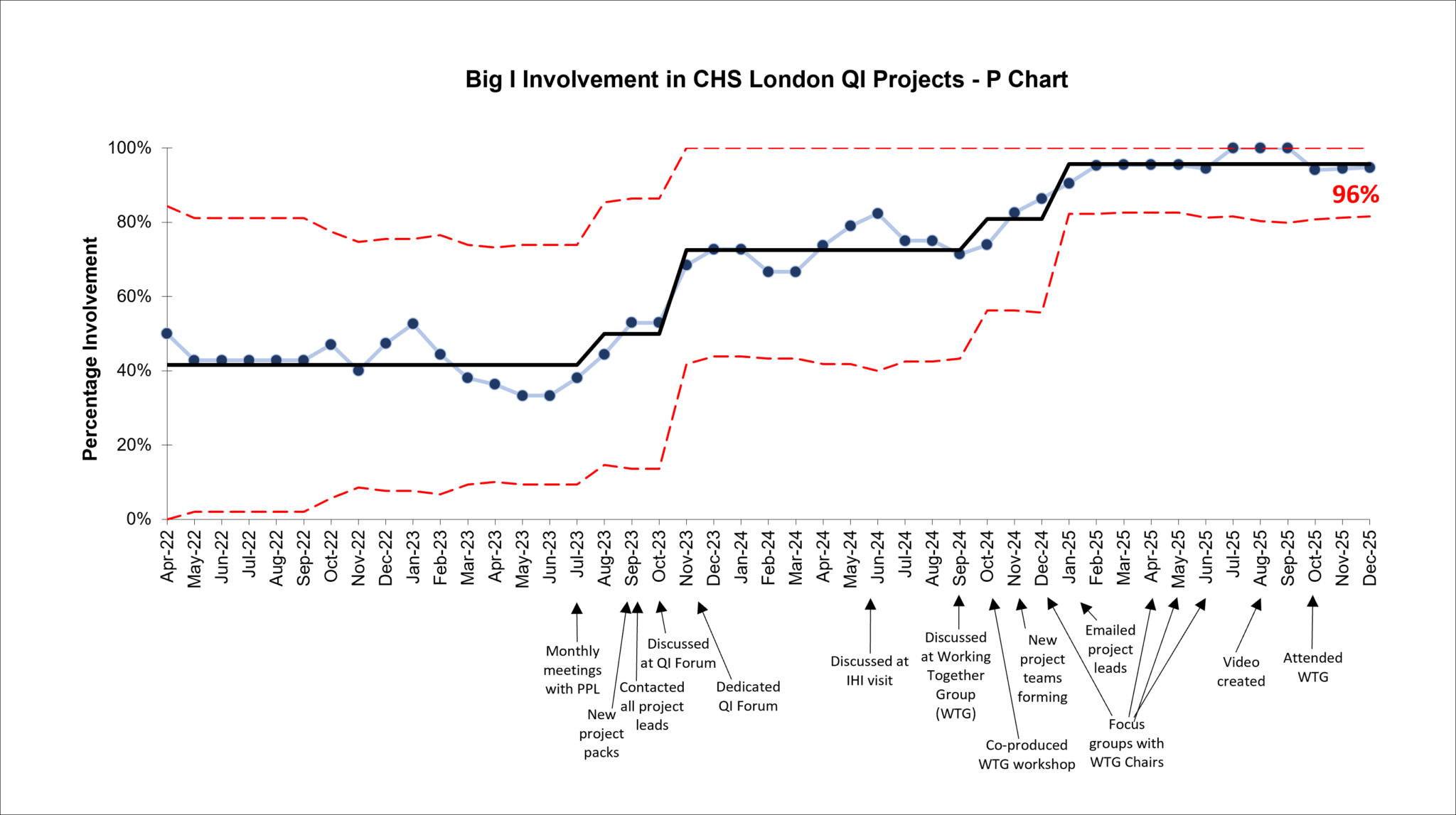
Figure 1: Big I Involvement over time in London CHS
Learn more about the changes that improved involvement in London CHS in this video, co-produced with service users and carers.
Award-winning improvement
The dedication of project teams and the impact of their work were recognised both internally and externally to ELFT in 2025, with six award wins and three highly commended awards linked to QI work.
At the ELFT Staff Awards, the SAFER QI project team won the Improving Staff Experience award for their work in helping community staff feel safer at work. Their project strengthened psychological safety, influenced trust-wide policy and contributed to meaningful cultural change. Emma Robinson, Deputy Head of Unplanned Care and Specialist Nursing in Tower Hamlets CHS, received the Improving Service User Experience award. As part of her wider work to improve end-of-life care and the experience of families and carers, Emma led a successful QI project to increase the identification of informal carers, ensuring they were recognised and offered support for their own needs. The Tower Hamlets Learning Together Patient Safety Interface Group won the Working in Collaboration award. Bringing together ELFT, Barts Health, primary care, the GP Care Group and the Integrated Care Board, the group created spaces for improving patient safety at the interface between organisations. This work resulted in a QI project to reduce insulin-related incidents with primary care, and a monthly multidisciplinary team (MDT) meeting at Royal London hospital to review medication authorisation and administration record (MAAR) chart incidents.
At the Tower Hamlets Together Awards, the Creative Wizard award for creativity and innovation was awarded to the Admission Avoidance and Discharge Service, Reablement Service and Community Therapy Teams for their QI project to reduce length of stay in acute hospitals. The Tower Hamlets Foot Health team also received the award for their QI work improving outreach for people experiencing homelessness. Under the Building Bridges category for partnership working, the GP Communication QI team was highly commended for strengthening collaborative working. The project lead, Dr Alex Harborne, also received high commendation at the HSJ Digital Awards in the HSJ Digital Innovator of the Year category.
National recognition was also achieved at the Quality in Care Diabetes Awards, where Juliana Dike won the Unsung Hero award for leading a QI project in Tower Hamlets to improve insulin self-management for people living with diabetes. The project itself was highly commended in the Improvements in Diabetes Care Using Data category.

Figure 2: Award-winning CHS teams and individuals
What problems were teams tackling in 2025?
QI projects across London CHS focused on a wide range of priorities in 2025, including access, flow and waiting times; attendance and treatment adherence; safety, clinical quality and documentation; integrated care, transitions and partnership working; and workforce and staff culture. The most frequently tackled problem was reducing missed appointments, a challenge with significant implications for access, equity and service capacity. Many of the teams working on this issue were part of the Trustwide Pursuing Equity Programme, which supported 31 teams across the Trust to reduce missed appointments among people living in the most deprived communities.
This work led to meaningful and measurable improvements across services. For example, the Newham Diabetes service saw a 26% reduction in missed appointments and Newham Musculoskeletal (MSK) service saw a 13% reduction in missed face-to-face appointments for people living in the 40% most deprived areas in Newham. Workforce improvements included a 70% decrease in staff vacancies in Tower Hamlets Extended Primary Care District Nursing teams, while equity-focused work resulted in a 477% increase in informal carers identified on EMIS and a 157% increase in adherence to continence treatment plans among Bengali women in Tower Hamlets. Patient safety and quality also improved, with an 87% reduction in communication-related discharge incidents in Tower Hamlets, a 66% reduction in inappropriate wound dressings in Central and Northeast Newham teams, and a 63% increase in patients contacted for a first Foot Health appointment within 18 weeks in Newham. Together, these results reflect sustained effort, data-driven testing and a strong commitment to learning from both successes and setbacks.
Learning together
At the final QI forum of 2025, attendees came together to celebrate the year’s achievements and reflect on their most meaningful learning. A strong theme was the importance of taking action, with one attendee noting that “it’s important to try to change things rather than just be distressed by how things are”.
Many reflected on the importance of early and meaningful involvement of people with lived experience. Working together in full partnership, with active listening and clear, effective communication between staff and service users, was seen as key to achieving change quickly and meaningfully.
Above all, the reflections reinforced a shared belief: when people come together around a common purpose, everything is possible. As Clinical Director Dr Alex Harborne put it: “Don’t give up, keep going, keep believing!”.
Same time next year?
Thank you to everyone who contributed to QI across London CHS in 2025, from project teams and service users and carers to QI coaches, sponsors, and forum attendees. The energy, curiosity and commitment shown this year provide a strong foundation for even more learning and impact in 2026. The improvements ahead promise to be just as ambitious, meaningful and people-centred.
Most Read Stories
-
Why is Quality Control important?
18th July 2018
-
2016 QI Conference Poster Presentations
22nd March 2016
-
Recognising Racism: Using QI to Help Take Action
21st January 2021
-
-
QI Essentials: What does a Chief Quality Officer do?
18th March 2019
-
Using data enabled us to understand our problem
31st March 2023
Follow QI on social media
To keep up to date on the latest concerning QI at ELFT, follow us on our socials.