

Innovation in Action: Highlights from ‘SCYPS to Success’ 2026
27th March 2026
Written by Clarissa Sørlie (Improvement Advisor)
This year’s ‘SCYPS to Success’ event brought together teams from across Specialist Children and Young People’s Services (SCYPS), to showcased how improvements – both big and small – are transforming care. The annual event brings together staff from across SCYPS to share improvement ideas that are already making a difference to children and young people, families, and frontline teams.
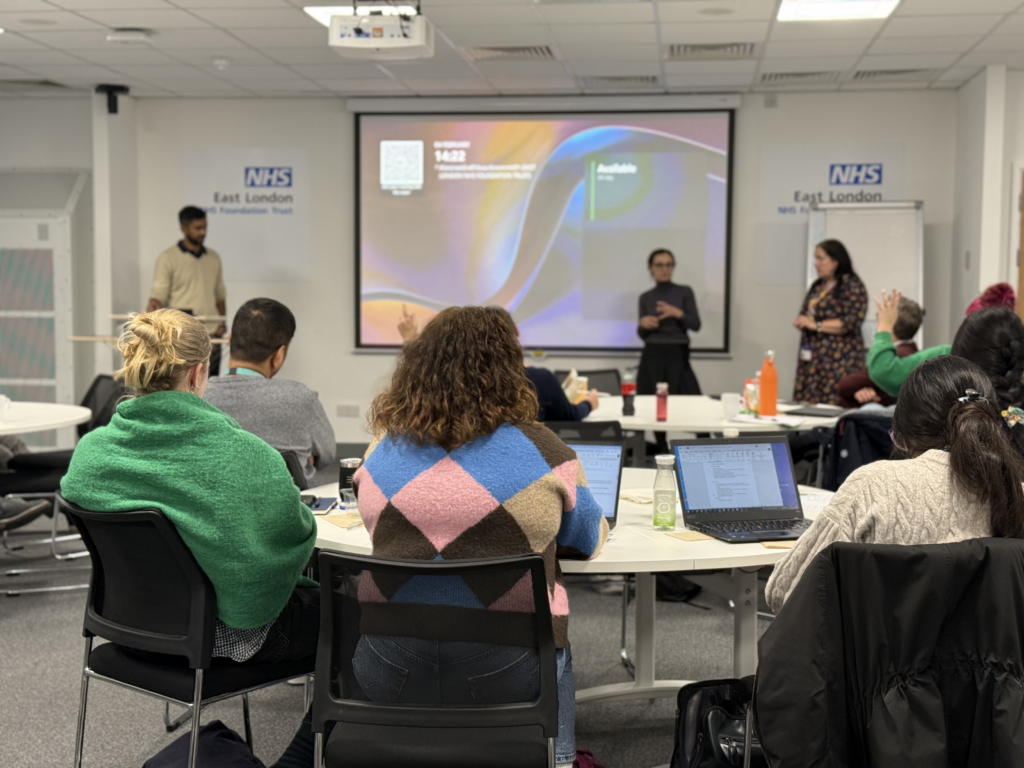
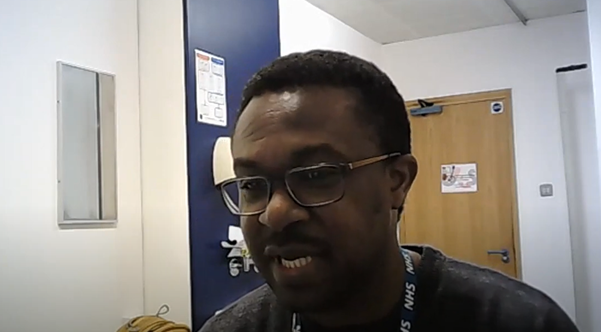
Figure 1. Presenters sparked lively discussions
The afternoon included a series of presentations, ranging from formal quality improvement (QI) projects to everyday changes that have strengthened day-to-day practice. Together, these presentations highlighted the creativity and problem-solving of SCYPS colleagues, and their commitment to continually improving the services they deliver.
Across seven presentations, two clear themes emerged: improving access and pathways, and promoting inclusive practice.
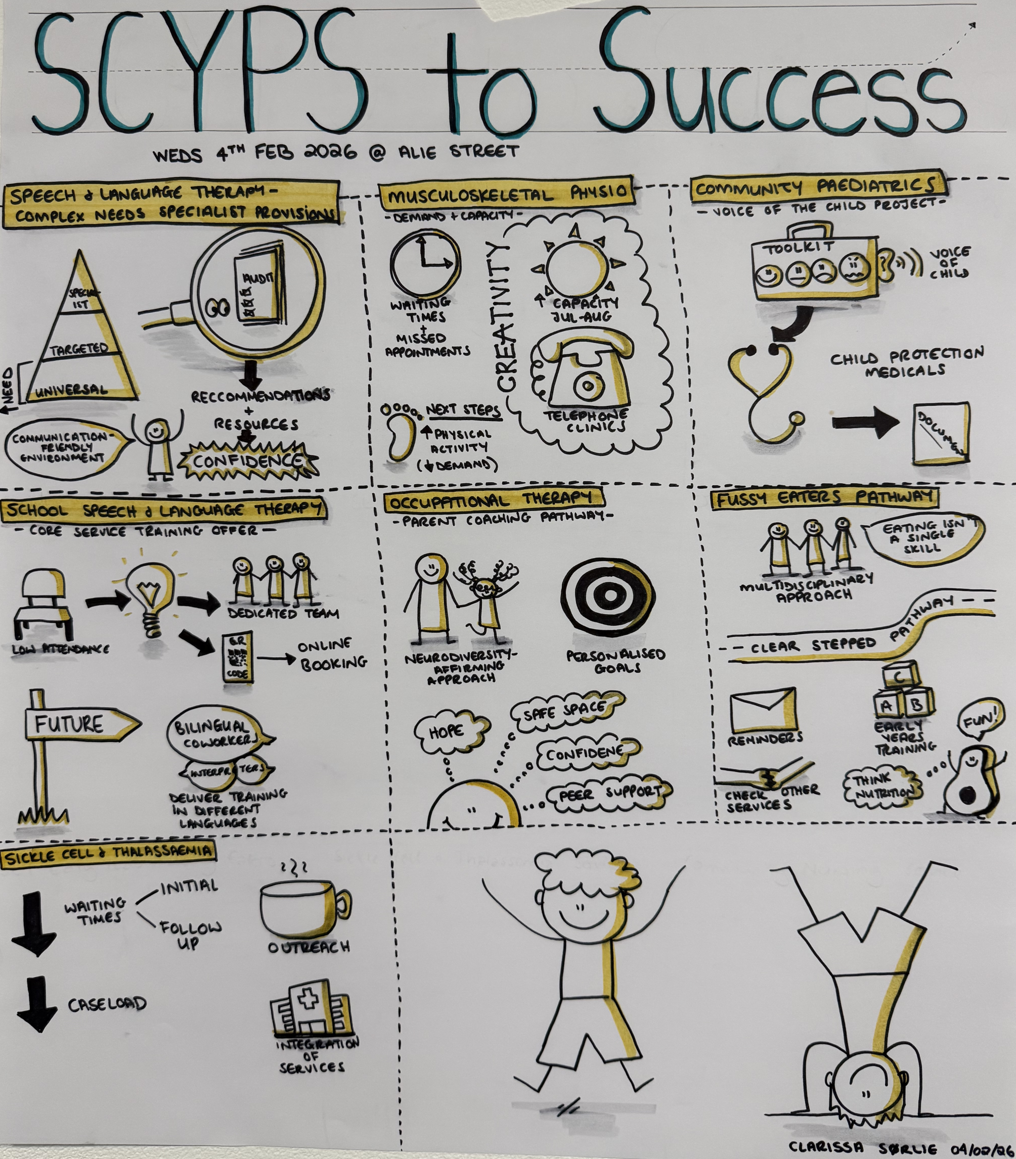
Figure 2. The presentations were summarised in real-time using a sketchnote
Improving Access
The Musculoskeletal physiotherapy showcased how the team reduced missed appointments by a third. They booked appointments 3-4 weeks in advance, offered families the option to choose appointment times, introduced text message reminders, and ensured that all staff understood the missed appointments (DNA) policy. By increasing capacity using telephone clinics and using school-based staff to offer clinics in school holiday times, the service reduced waiting times for over 10-year-olds. More children now receive timely support, and fewer clinical slots are wasted.
The Sickle Cell and Thalassaemia Centre demonstrated how working with system partners and learning from data has increased access to specialist care. Their collaboration with Newham University Hospital enabled evening clinics, reducing disruption to school attendance. They also opened their centre to physiotherapy, psychology and pharmacy clinics from Barts Health, allowing hospitals to offer appointments in the community. This has eased pressure on hospital services while improving community access for families.
The team identified additional opportunities for improvement through enhanced use of data dashboards. They have improved their clinical pathways and admin processes, and they now monitor their performance in real-time, proactively identifying overdue appointments sooner.
Promoting Inclusive Practice
The Occupational Therapy team showcased their innovative approach to improving support for autistic children and their families. Recognising that many Newham families report experiences of stigma, isolation and challenges accessing support, the team introduced a coaching-based group to parents of children with social communication difficulties, that does not require an autism diagnosis. The team shared feedback from parents describing the group as a safe space to connect with other parents and learn practical strategies to support their children.
Other presentations included initiatives from:
- the ‘fussy eaters’ pathway, for children with sensory-based feeding behaviours and restricted diets
- the Speech and Language Therapy (SLT) Complex Needs team to strengthen specialist provision
- the Schools SLT team to increase attendance at their core training offer
- the Community Paediatrics team to better include the child’s voice in child protection medicals
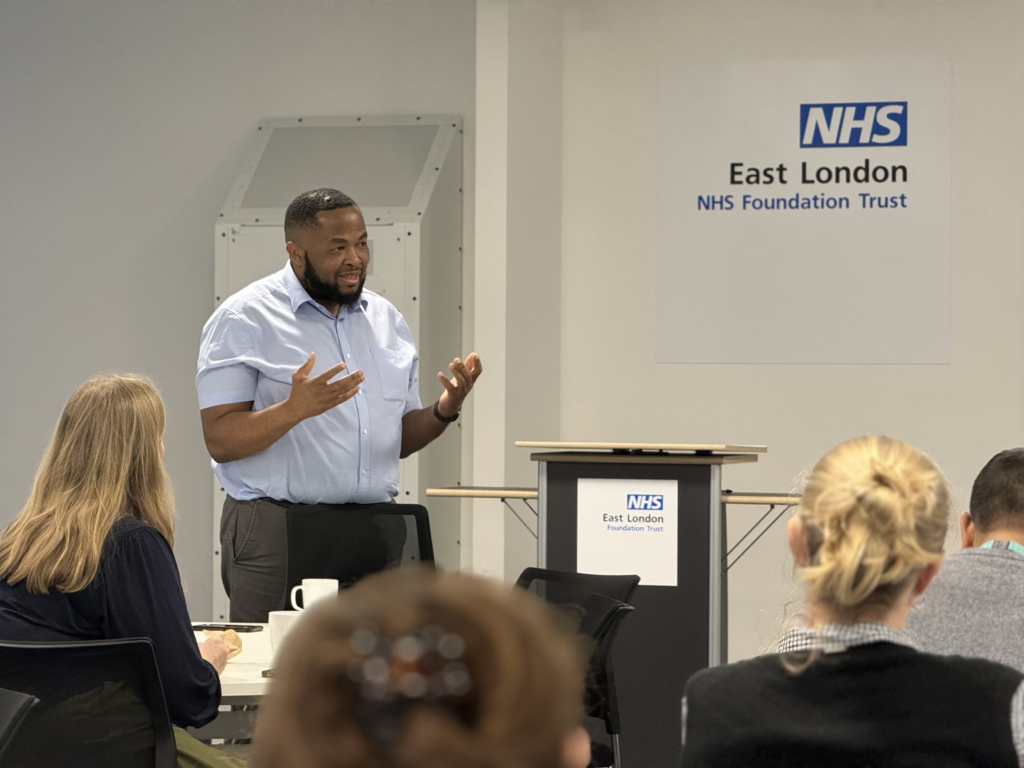
Figure 3. Interim Service Director George Chingosho recognised the teams’ achievements
Reflections from the Day
The energy of this year’s event showcased just how committed SCYPS teams are to improving care. Marion Levine (Head of Children’s Therapies) said:
“I’m always blown away by how innovative we are – there is so much we can learn from each other.”
Her sentiment was echoed by Julie Proctor (Clinical Director) who highlighted the dedication behind the work:
“People in SCYPS go above and beyond and think outside the box.”
Kara Gerrie (General Manager) said:
“There are themes emerging around how we can do things stronger together but also where we are supporting the wider system. I wonder whether there is scope to create a SCYPS offer for training in education settings”
Interim Service Director George Chingosho encouraged the teams:
“Let’s keep sharing this amazing work and creating platforms for teams to showcase what they are doing so that others in the organisation can benefit.”
Closing the event, Marion left the room with a challenge that perfectly captured the spirit of the day:
“What can we do better?”
The SCYPS to Success event highlighted how improvement thrives when teams have the space to share learning, exchange ideas and build on one another’s strengths. The creativity, dedication and problem‑solving on display demonstrated a culture committed to continually enhancing support for children, young people and families. As these teams look ahead, the momentum generated throughout the day offers a strong foundation for future collaboration, creating new opportunities for good ideas to spread and for meaningful changes to take root.
Most Read Stories
-
Why is Quality Control important?
18th July 2018
-
2016 QI Conference Poster Presentations
22nd March 2016
-
-
Recognising Racism: Using QI to Help Take Action
21st January 2021
-
QI Essentials: What does a Chief Quality Officer do?
18th March 2019
-
Using data enabled us to understand our problem
31st March 2023
Follow QI on social media
To keep up to date on the latest concerning QI at ELFT, follow us on our socials.