

Coaching Through Lived Experience: Three Journeys Transforming QI in City & Hackney
14th April 2026
Written by Angela Grant (QI coach), Chen (QI coach), Esther Oludipe (People Participation Lead), Kerry Joseph (QI coach) and Clarissa Sørlie (Improvement Advisor)
What happens when people with lived experience step into roles traditionally held by staff?
This year, three new coaches with lived experience from City & Hackney – Angela, Chen and Kerry – completed the Improvement Coaching Programme (ICP). Each brought fresh perspectives, deep empathy, and a contagious energy for change. And while their paths through the programme looked different, their stories collectively show how improvement can become richer when led with lived experience.
This article brings together their voices, alongside reflections from City & Hackney People Participation Lead, Esther, to offer a glimpse into lived experience leadership.
Angela – A Coaching Journey with Space to Reflect
If you ask Angela about her coaching training, she will start with how much she appreciated the space for reflection between training days. The training is delivered in three chunks of two days, with action learning time between. This suited her learning style, giving her time to reflect, try new skills, and grow in confidence.
She captured her experience visually, mapping the twists and turns of her coaching development (see image 1):
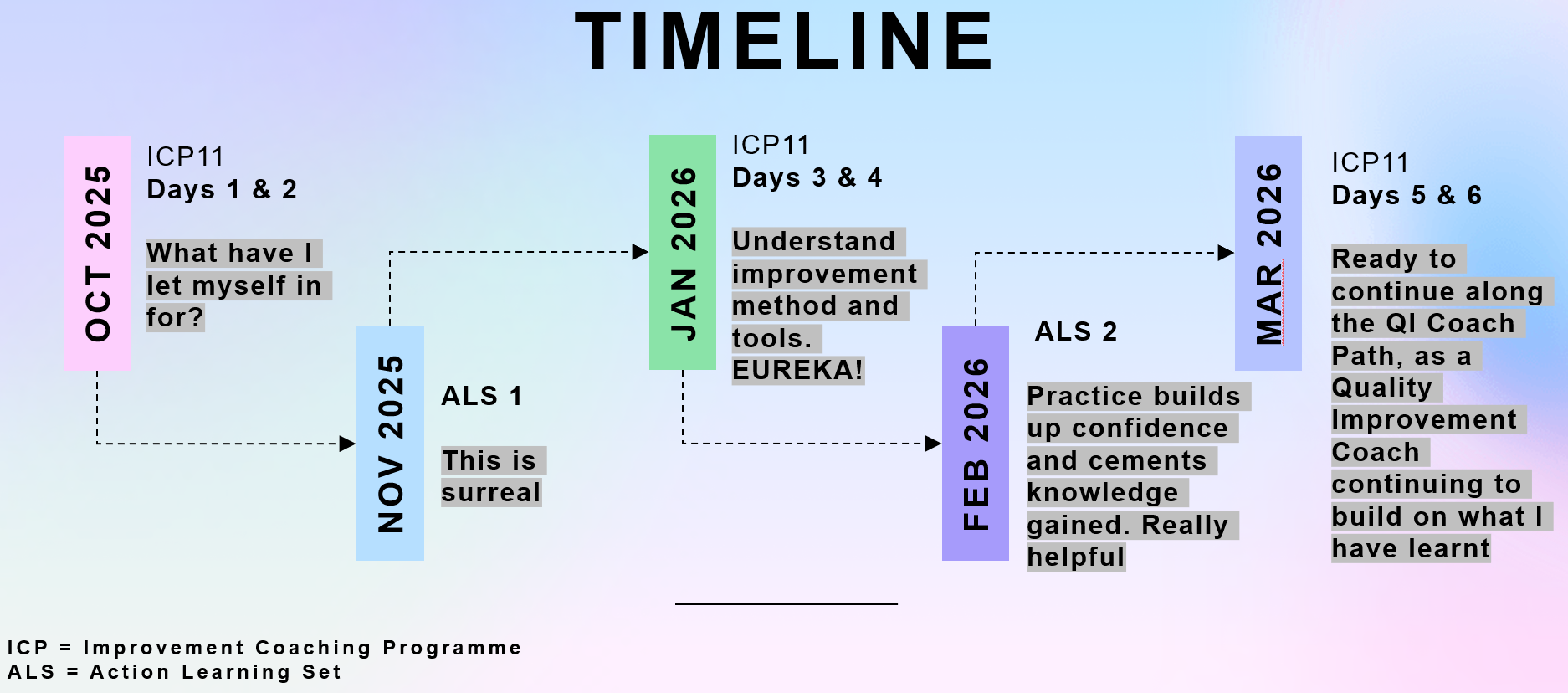
Image 1. Angela’s journey through the Improvement Coaching Programme
Reflecting on her experience of the training, Angela said, “this has given me a meaningful, impactful way of coming alongside a team to support them to use tools to successfully navigate and achieve outcomes for their QI projects. I’ve gained insight, knowledge, confidence, and the ability to motivate others.”
While Angela’s story highlights the importance of pacing and confidence-building, Chen’s experience reveals something different but equally important: how lived experience representation in the coaching space challenges assumptions and reframes what it means to be part of an improvement team.
Chen (pseudonym) – Challenging Assumptions
For Chen, becoming a QI coach meant confronting the assumptions that others sometimes make about what a ‘service user’ looks like. Through the programme, she discovered the power of using her story not as a label, but as one element of a much wider set of strengths she brings.
She summarised this important lesson, saying: “Lived experience is one element of what I bring, but that’s not all I bring.”
Her visual timeline (see image 2) captures a journey towards increased clarity and confidence:
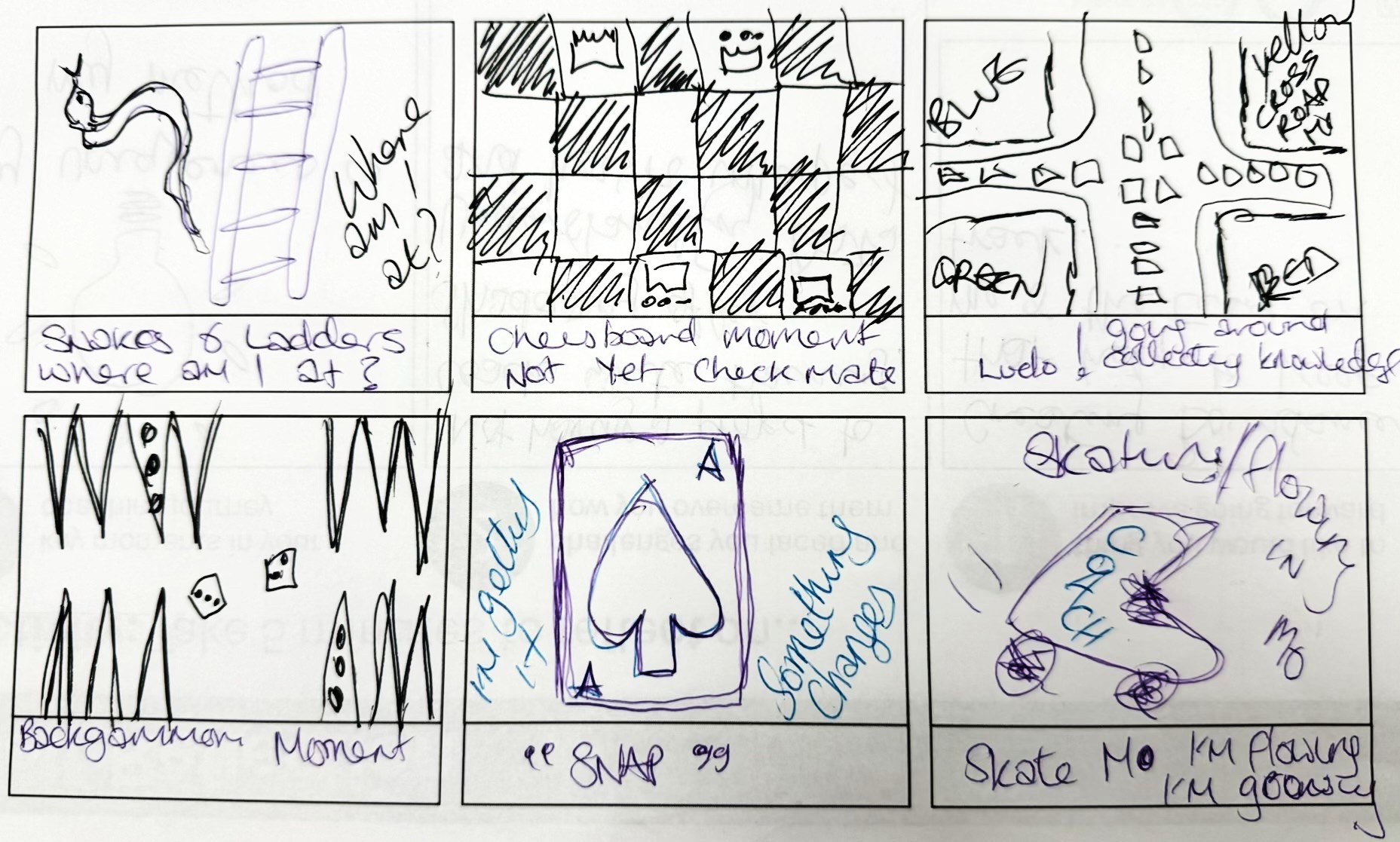
Image 2. Chen’s journey through the Improvement Coaching Programme
Her learning inspired her to create an acronym for her personal coaching style (image 3), reflecting the balance of curiosity, consideration and creativity that shape how she supports teams.
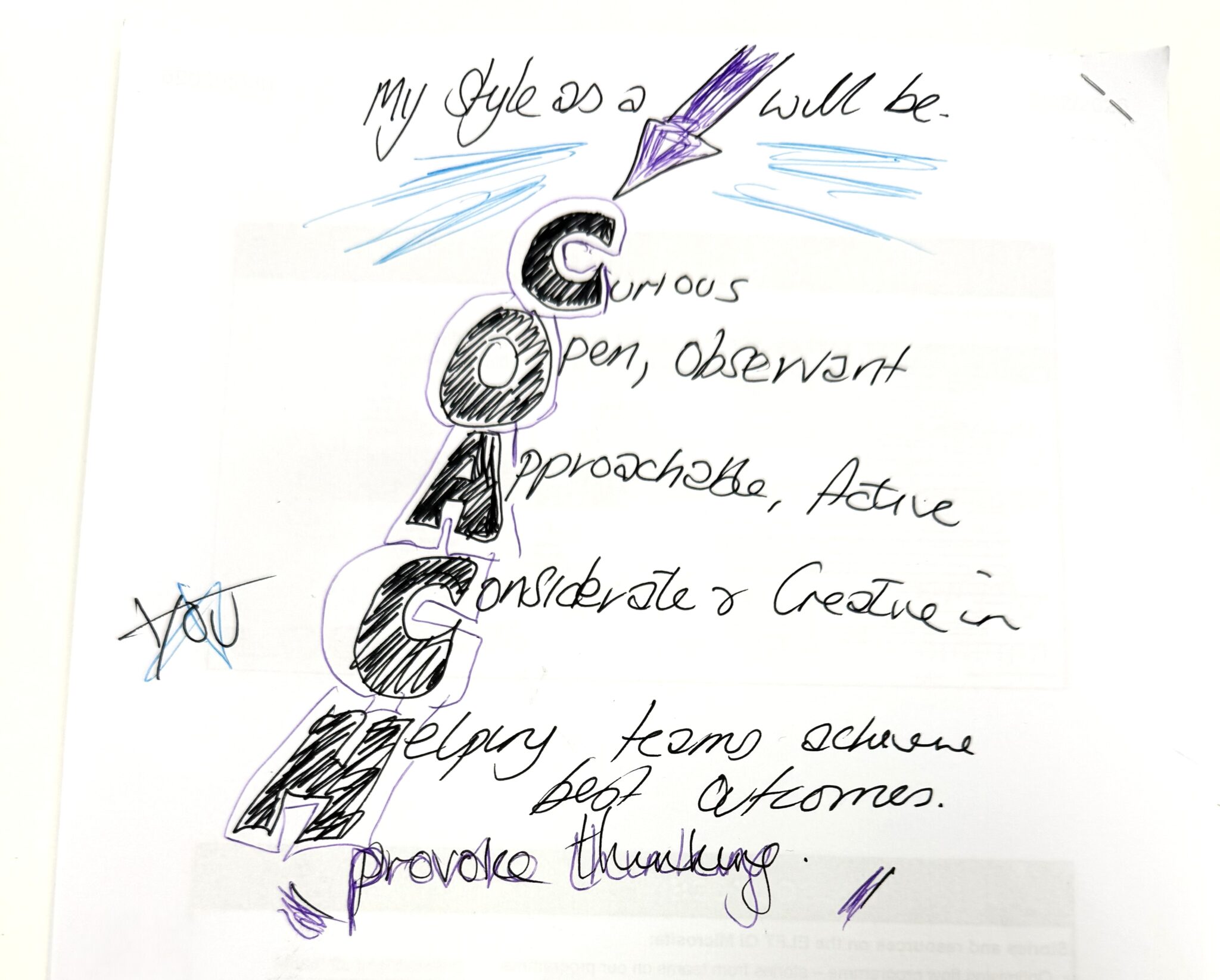
Image 3. A visual representation of Chen’s coaching style
Where Chen’s reflections centre on identity, Kerry’s story brings another vital dimension: what it feels like to be trusted and included in spaces where power is traditionally held by staff.
Kerry – Feeling Trusted, Included and Valued
Kerry describes her experience of joining the programme with gratitude and pride. To her, being supported to become a QI coach reflects something deeper about East London NHS Foundation Trust’s commitment to inclusion:
“I feel honoured and grateful to be included in the training to be a Quality Improvement (QI) coach. It’s a great testament to East London NHS Trust’s commitment to including service users and carers in all that they do that they would support and trust me to become a coach.”
For Kerry, involving service users and carers isn’t just a nice-to-have, it shapes the quality, relevance, and sustainability of improvement work:
“Involving service users and carers in improvement work can give staff critical insights, feedback and fresh ideas and ultimately the confidence to try new approaches to health care.”
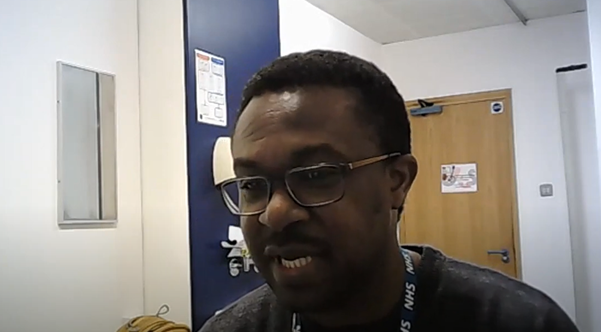
Her story is shared more fully in the video below:
Esther – Leading with Lived Experience at the Centre
As People Participation Lead, Esther has seen first-hand how the presence of these lived experience coaches strengthens both individual projects and the culture of improvement itself.
Now that all three coaches have graduated, she shares her reflections:
“Coaches with lived experience are a real asset to People Participation in City & Hackney. Their experience and knowledge help us improve and shape services that feel more responsive, compassionate, and fair.”
She highlights how their training has equipped QI coaches with a wide-ranging skillset, inspiring others to progress in their QI journeys:
“Their journey also inspires other service users and carers to join the programme, helping to grow participation and strengthen service improvement through their influence.”
For Esther, the core message is simple:
“By having lived experience at the heart of what we do, we strengthen genuine co‑production and build deeper trust with the communities we support.”
A Message to Future Coaches
Sharing advice for anyone with lived experience who is contemplating QI coach training, Chen said:
“Don’t assume that you have nothing valuable to bring and don’t let your doubts stop you. I was surprised by how much I can bring and how much teams appreciate the value of lived experience. So, step right out!”
“We are incredibly proud in City & Hackney to have QI coaches with lived experience,” says Clinical Director, Dr Olivier Andlauer.
“They bring new ideas and their unique views, which are all key ingredients to successful improvement work.”
If you are a lived experience expert (service user or carer) interested in training as a QI coach, please contact your local People Participation Lead.
Most Read Stories
-
Why is Quality Control important?
18th July 2018
-
2016 QI Conference Poster Presentations
22nd March 2016
-
Recognising Racism: Using QI to Help Take Action
21st January 2021
-
-
QI Essentials: What does a Chief Quality Officer do?
18th March 2019
-
Using data enabled us to understand our problem
31st March 2023
Follow QI on social media
To keep up to date on the latest concerning QI at ELFT, follow us on our socials.