

From Observation to Engagement: “a programme about humanity”
11th June 2026
Written by Sarah McAllister, Head of Improvement Programmes
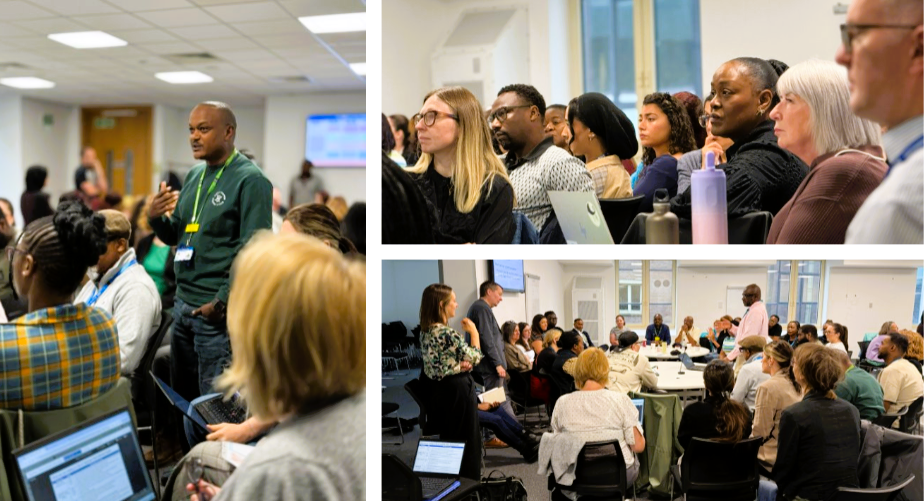
At our latest Observation to Engagement learning session at Alie Street, inpatient teams from across the Trust came together for a special event focused on sharing progress, learning and reflection from the programme, which began in April 2025 and aims to introduce approaches to care that actively engage staff, service users and carers in order to safely eliminate unnecessary intermittent observations
We were delighted to be joined by Jason Leitch, Pedro Delgado and Susan Hannah from the Institute for Healthcare Improvement, who heard directly from teams and offered reflections on how we continue to build momentum, spread learning and sustain the progress being made.
One message from Jason captured the heart of the work:
“This isn’t a programme about observations. It’s a programme about humanity.”
That message became the thread running through the morning. This work is not simply about reducing intermittent observations or changing a process. It is about creating ward environments where service users feel known, connected, safe and understood — and where staff have the confidence, time and support to respond through relationships, not just observation.
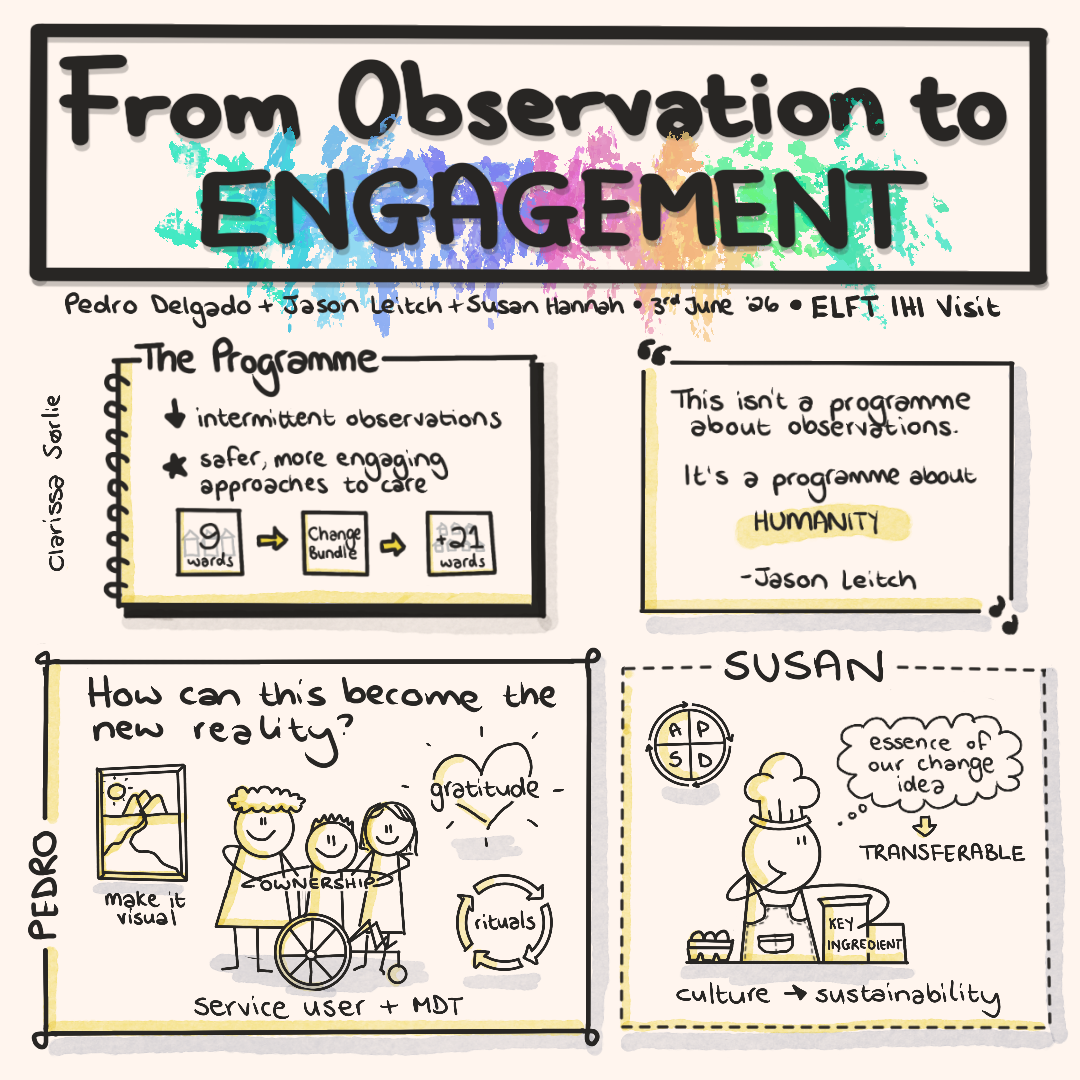
The sketch note from the day, designed by Clarissa Sørlie, captured this beautifully. It shows the journey from observations to engagement: from 9 pilot wards, to a wider change bundle, and now to 21 wards. It also highlights the practical questions that shaped the session: how do we make this the new reality? How do we build ownership with service users and the MDT? How do we use rituals, gratitude and visible reminders to make this work part of daily practice?
Across the morning, teams shared inspiring examples of how their ideas are reducing reliance on observations while strengthening therapeutic engagement. Across our 9 pilot wards, enhanced observations have reduced by 49% since the programme began, with no negative impact seen on safety, violence or restrictive practice measures. This gives us confidence that, when reductions are supported by meaningful engagement, thoughtful review and strong MDT decision making, reducing observations can be done safely.
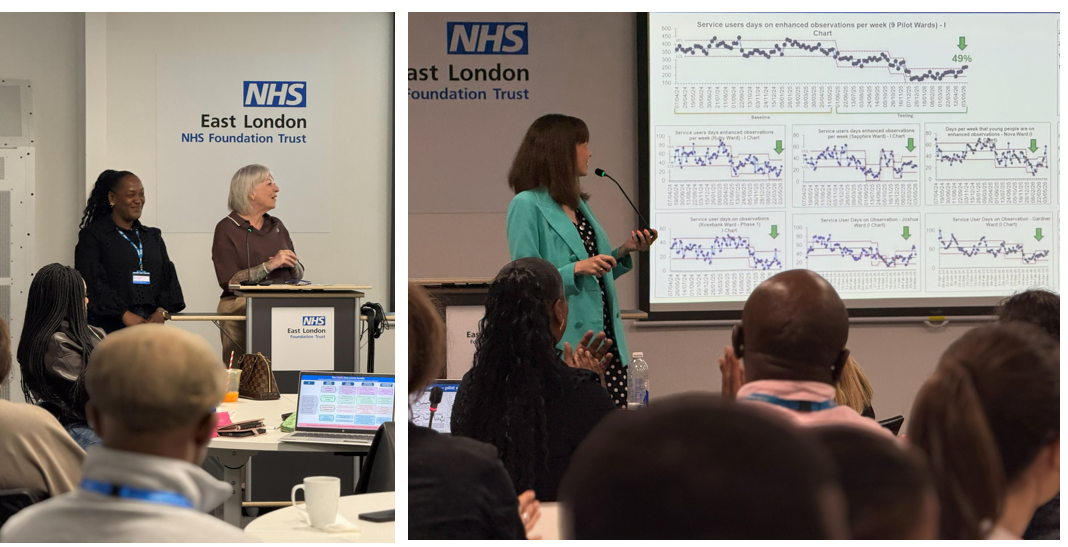
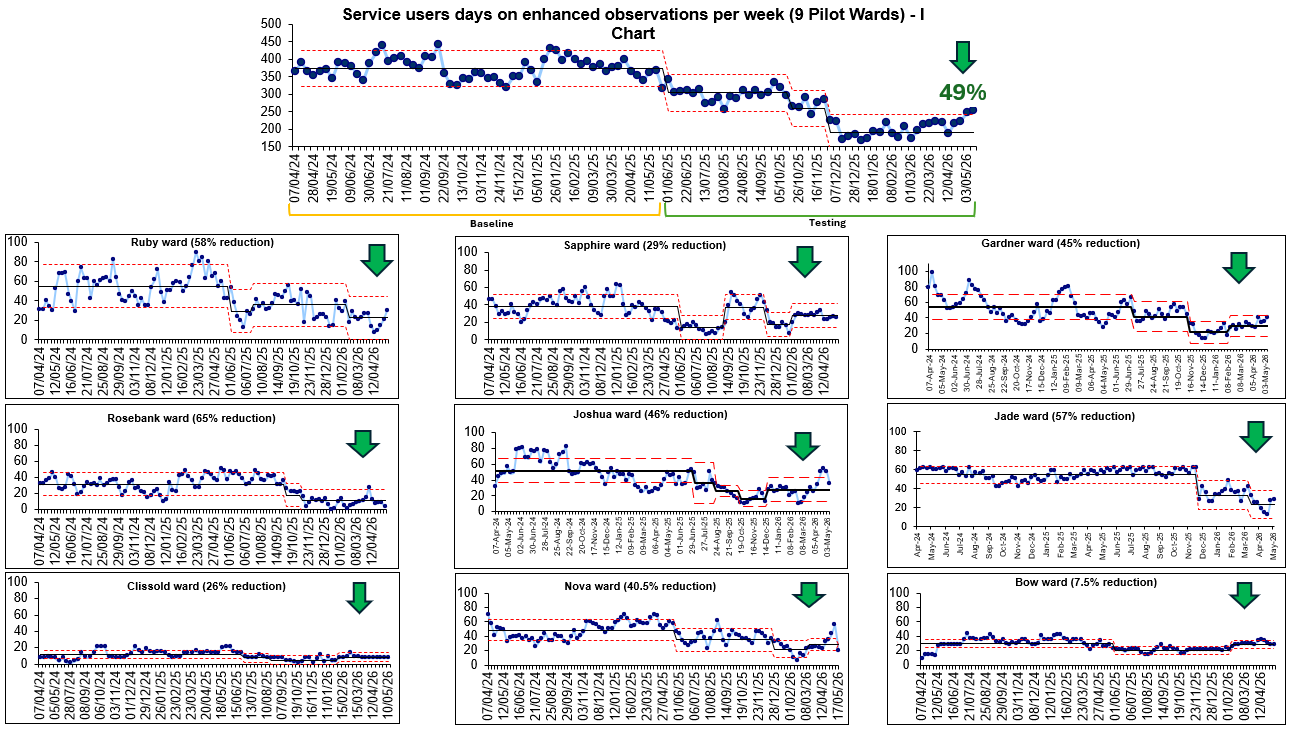
Newham described how Protected Engagement Time is creating dedicated space for staff and service users to connect through meaningful activity, supported by tools such as feelings thermometers and engagement flashcards to help people express how they are feeling. Tower Hamlets shared learning from therapeutic engagement training, which is building staff confidence in how to meaningfully engage, alongside the Relational Early Warning Score tool, which helps teams notice early signs of distress and respond before risk escalates. Forensics described a range of relational and activity-based approaches — including social teas, men’s groups, smoothie groups, sports and post-leave chill-out sessions — designed to create connection, structure and a more positive ward experience. CAMHS shared how weekend groups, feelings thermometers and structured reviews are helping young people communicate how they are feeling and plan their day. City & Hackney described their daily MDT observation review, which creates a regular opportunity for the whole team to review whether observations are still needed, agree more appropriate alternatives and step people down as soon as it’s appropriate. Whilst one service user said of their “Hour of Fun” intervention:
“I don’t get bored anymore because of the variety of activities.”
What stood out was the variety of ideas, but also the common thread between them. The strongest ideas are simple, relational and replicable. They help staff notice distress earlier, create opportunities for connection, and support teams to ask, “what else could help?” before relying on observations.
Teams also spoke honestly about the nervousness that can come with reducing observations. This was an important part of the learning. The experience so far should give others confidence: when changes are grounded in relationships, thoughtful review and meaningful engagement, teams are not seeing an increase in violence, aggression or restrictive practice.
As colleagues from Newham reflected, since starting the programme:
“There has not been a single incident where the conclusion was if only we’d used intermittent observations, this wouldn’t have happened.”
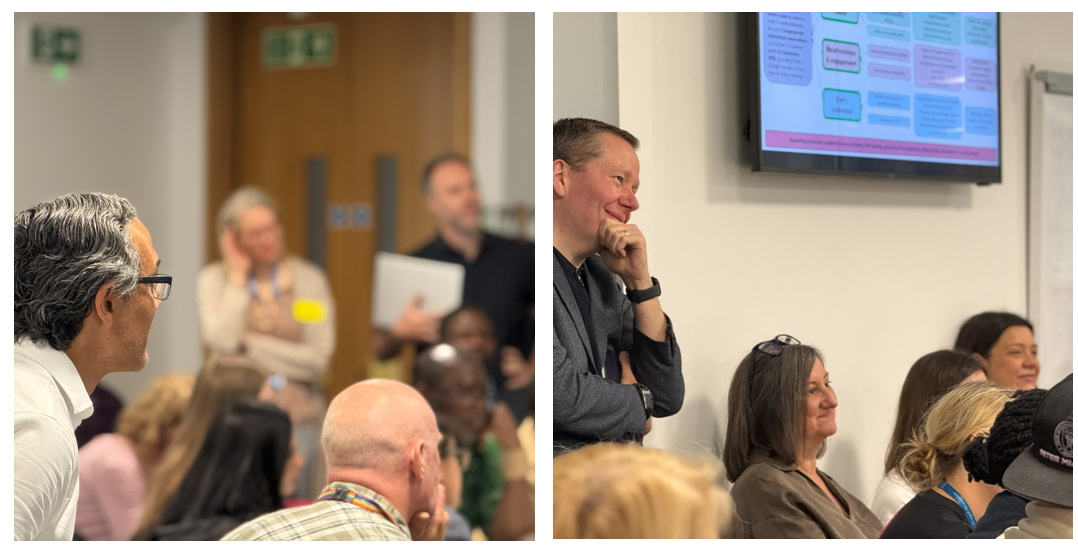
Jason, Pedro and Susan’s reflections helped teams think about the next stage of the work. Pedro encouraged us to consider how this becomes “the new reality” through ownership, rituals, gratitude, symbols and making the work visible. Susan focused on sustainability and transferability — helping us think about the “key ingredients” that allow ideas to take root in one ward and be adapted meaningfully in another. Jason’s reflection brought us back to the deeper purpose of the programme: humanity, connection and care.
The voice of service users was central to the day. One piece of feedback summed up the energy in the room:
“Wow wow wow — today was just fantastic! I was really inspired and I’d like to thank you for thinking of me.”
The next phase is about turning promising ideas into consistent practice. Teams will continue testing and refining change ideas, using data and feedback to understand impact, and working with service users and MDT colleagues to embed therapeutic engagement into daily ward routines.
The session ended with a strong sense of pride and possibility. Teams are not just reducing observations. They are creating more humane ward experiences — where safety is built through relationships, curiosity, connection and care.
As Jason reminded us, this work is about humanity. The learning from our teams showed that this is already coming to life across our wards.
Most Read Stories
-
Why is Quality Control important?
18th July 2018
-
2016 QI Conference Poster Presentations
22nd March 2016
-
Recognising Racism: Using QI to Help Take Action
21st January 2021
-
QI Essentials: What does a Chief Quality Officer do?
18th March 2019
-
-
Using data enabled us to understand our problem
31st March 2023
Follow QI on social media
To keep up to date on the latest concerning QI at ELFT, follow us on our socials.