
Enhancing Mental Health Access for Young People from South Asian Communities in Luton
22nd January 2026
Written by Sonali Karkhanis (Counselling Psychologist), Marc van Roosmalen (Consultant Clinical Psychologist) and Lucy Brewer (Improvement Advisor).
Background
A recent Children and Young People’s Mental Health Needs Assessment for Luton revealed a concerning disparity: children and young people (CYP) from South Asian communities were not accessing Child and Adolescent Mental Health Services (CAMHS) at a rate proportionate to their presence in the local population. This highlighted an urgent need to address inequalities in mental health service access.
We started to hold a series of surveys and conversations with families, young people, school staff and local community faith leaders in the strategic Triple Aim QI programme with local communities in Luton. We uncovered key barriers: cultural stigma, limited awareness of available services, and English being a second language. These factors could be contributing to underutilisation of mental health support among South Asian families.
Aim and Strategy
The team started a Quality Improvement (QI) project, focusing on co-production with families, schools, and community stakeholders. The aim of the project is to increase accessibility of Mental Health Support Team (MHST) services for South Asian young people within the South Neighbourhood of Luton, with an increase in new referrals of 25% by September 2026.
Below are the key drivers that need to be addressed to meet their aim, and the change ideas the team plan to test (figure 1).
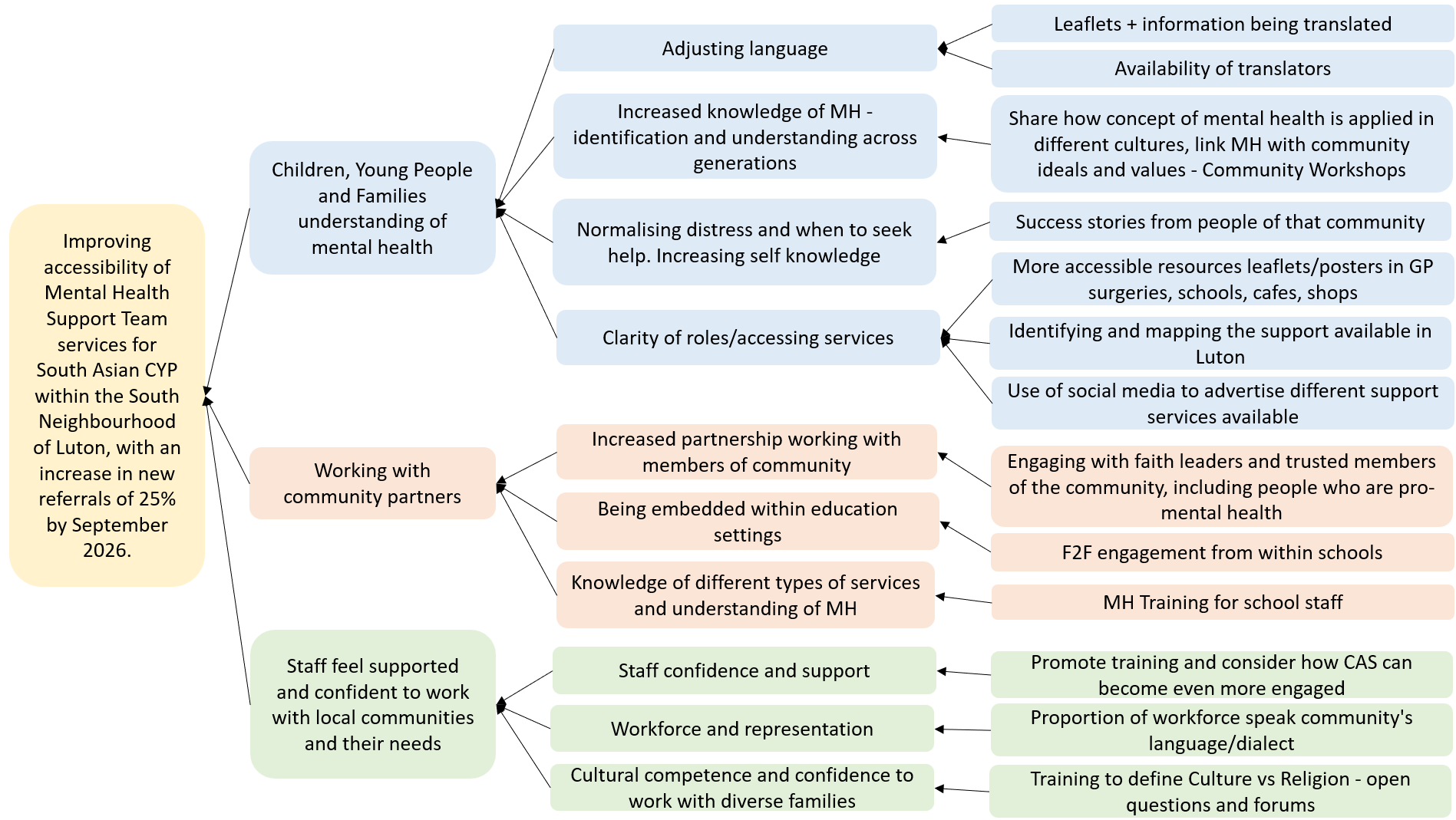
Figure 1: Driver diagram for the QI project; outlining the team’s theory of change.
Change Idea: Community-Based Workshops
The first change idea the team chose to test has been community-based workshops, designed to:
- Increase understanding of mental health and CAMHS.
- Facilitate open dialogue between families, schools, and service providers.
- Address cultural considerations and reduce stigma.
✨Planning and Testing
The first workshop, “What is Mental Health and What is CAMHS?” was co-produced by staff and experts by experience. Focus groups with CYP, parents, teachers, and faith leaders from South Asian communities shaped the content and delivery.
In 2024 a pilot workshop was conducted in one secondary school, followed by four workshops (two additional secondary schools and two primary schools) in 2025. The team learnt and adapted from each workshop with support from the QI team and EPEC (Empowering Parents Empowering Communities) trained parents, to ensure sessions were conversational, culturally sensitive and supported by interpreters.
✨Workshop Content
- General information about CAMHS and MHST.
- Discussions on culture and wellbeing.
- Optional segment on Islam and wellbeing (included based on group preference).
- Interactive, tailored formats for each group.
✨Learning and Feedback
- Feedback from parents has been overwhelmingly positive:
- Strong interest in discussing mental health topics, from cultural beliefs to ADHD.
- Peer support emerged as a key strength during group discussions.
- Interpretation services and EPEC parent involvement were critical to success.
- Parents valued clarity on CAMHS structure and referral pathways.
Referrals Data
Since starting this project, the team has seen an increase in percentage of new referrals from South Asian communities to MHST (figure 2), from 28% to 40%. The team will continue to monitor referrals, and look to reducing monthly variation as they start testing additional ideas.
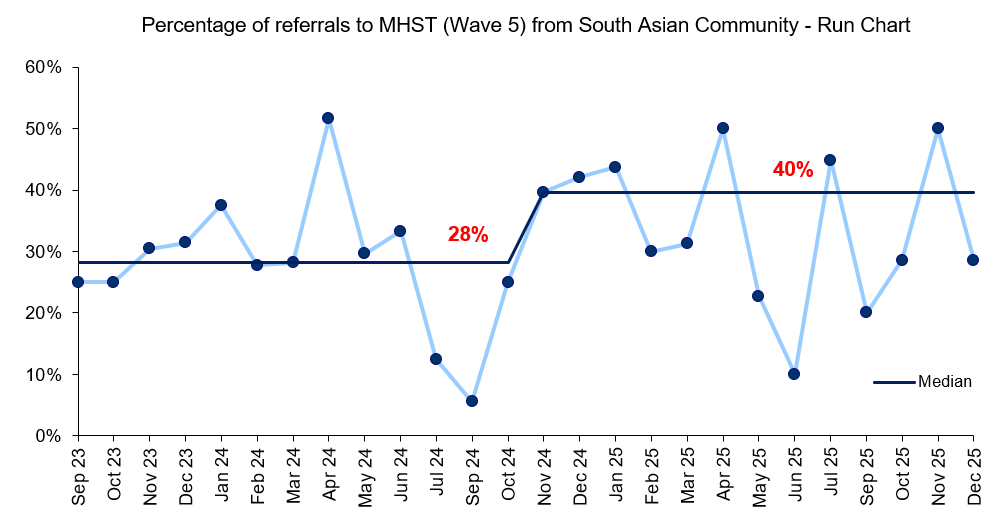
Figure 2: Run chart displaying percentage of referrals to MHST from South Asian Community.
Next Steps
- Expand engagement beyond parent workshops to include faith leaders.
- Strengthen collaboration with school staff, GPs and other professionals, more community services
- Disseminate information through community channels (e.g., Flying Start leaflets).
- Broaden project scope from MHST to CAMHS Early Behaviour (EB) team.
- Continue co-production, including training parents as EPEC Parent Group Leaders (PGLs). Of 13 parents enrolled, six are certified, with more certifications expected.
- Start delivering similar workshops for young people.
- Consider approach for other communities in Luton who might be under-represented in accessing CAMHS
Conclusion
The QI South Asian Project marks a significant step toward reducing health inequalities in Luton. By prioritising cultural sensitivity, co-production, and community engagement, the initiative is building trust and improving access to mental health services for South Asian families.
Most Read Stories
-
Why is Quality Control important?
18th July 2018
-
2016 QI Conference Poster Presentations
22nd March 2016
-
Recognising Racism: Using QI to Help Take Action
21st January 2021
-
-
QI Essentials: What does a Chief Quality Officer do?
18th March 2019
-
Using data enabled us to understand our problem
31st March 2023
Follow QI on social media
To keep up to date on the latest concerning QI at ELFT, follow us on our socials.