

Pathways App: Service users and Staff co-develop award winning app to support navigating care within the Forensics services.
22nd June 2026
By Seán Harte, Lead Occupational Therapist, (Forensics Directorate) & Edmund Glynn, Improvement Advisor (Forensics Directorate)
The Pathways App team in the Forensic Directorate received national recognition, winning an award in the “Empowering Patients through digital” category at the HSJ digital awards.

ELFT forensic services support nearly 200 people across 17 secure wards, providing care from admission through to rehabilitation. Operating at full capacity, however, means long stays and delays to discharge—limiting flow in the service and affecting the experience of those in care.
The Forensic Occupational Therapy team set out to improve both system performance and service users’ experiences using QI methods. What service users fed back consistently was that they were not always meaningfully involved in their own recovery. The issues faced were often systemic, rather than clinical. To tackle these issues, the team believed a coproduced approach was needed, led by both service users and staff.
Exploring delays and service user experience, the team identified five key themes: people felt “stuck” with limited progression; communication about plans was poor; discharge pathways were unclear; involvement in care decisions was lacking; and ownership of goals was low. In response, the team codesigned a change strategy with service users, illustrated in figure 1 using a driver diagram.
The team agreed that a digital “Pathways App” would be the focal point for testing—bringing together goal setting, empowerment, shared ownership, and better understanding of the care pathways. Central to addressing these issues was the service user lead, who not only bought his own experiences on being a service user, but essentially his programming and coding expertise which were central to developing the digital systems needed to make the app work.
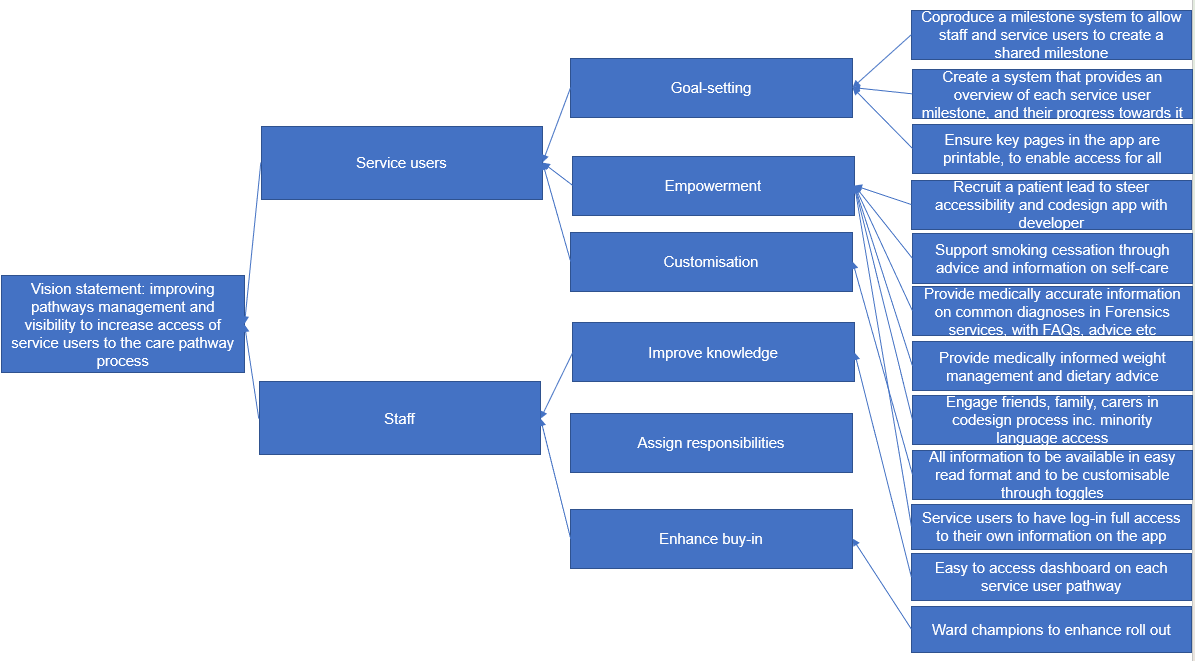
Figure 1: Driver diagram co-produced by service users and staff
Co-producing the Pathways App – an iterative coproduction process
Each week, a service user group met to select and define a change idea they felt was needed, which was then worked on with a developer. The Pathways team and service user lead then shared the updated prototype with staff and service users. Changes were either adopted (and integrated into the app) or adapted and refined based on feedback, following the PDSA cycle detailed in figure 2.
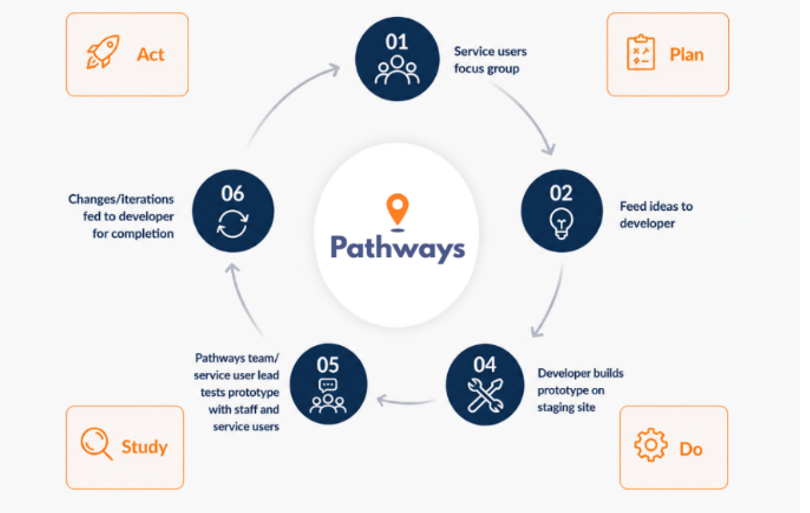
Figure 2: PDSA cycle for testing rapid app development
Some key change ideas tested in app development
- Having a shared milestone system to allow staff and service users to create joint understanding of progress.
- Ensuring that key pages in the app are printable for those service users who need these.
- Recruiting app champions on each ward to ensure rapid take-up of the app during the 18-month pilot phase.
Piloting the Pathways App – learning and listening to service users
The app was piloted over an 18–month period, during which 138 staff across nursing, occupational therapy and psychology used the app’s functions in interactions with service users. Service users reported an overwhelmingly positive experience of using the app. The screenshot below gives an example of the user experience on the app:
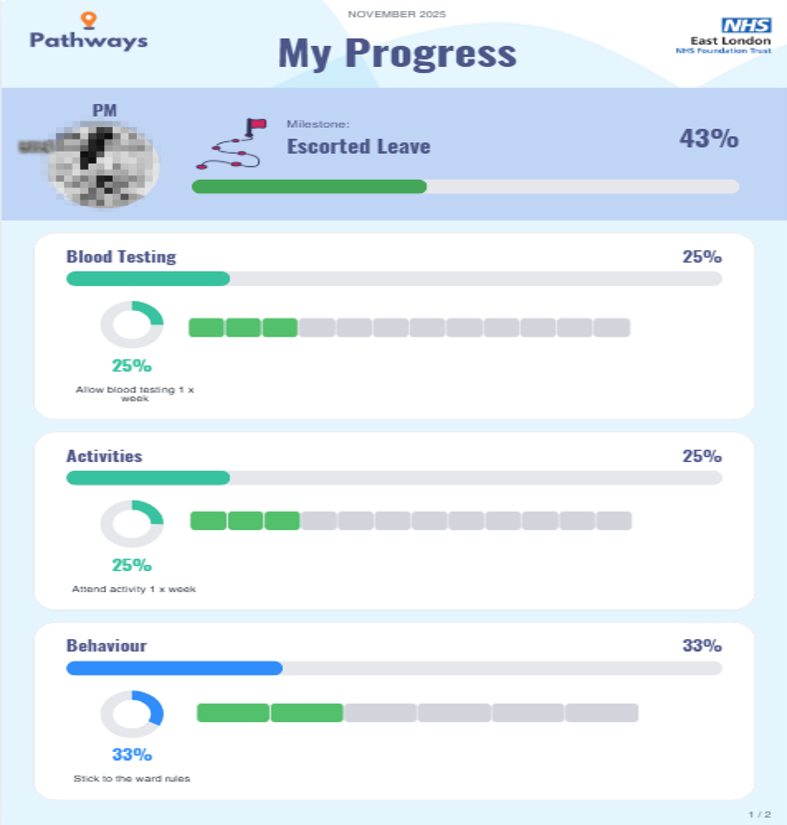
Figure 3: App screenshot showing key milestones and activities
Pilot results and Next Steps
Service users who accessed the app during the pilot period reported improvements in their experience, as shown below in figure 4.
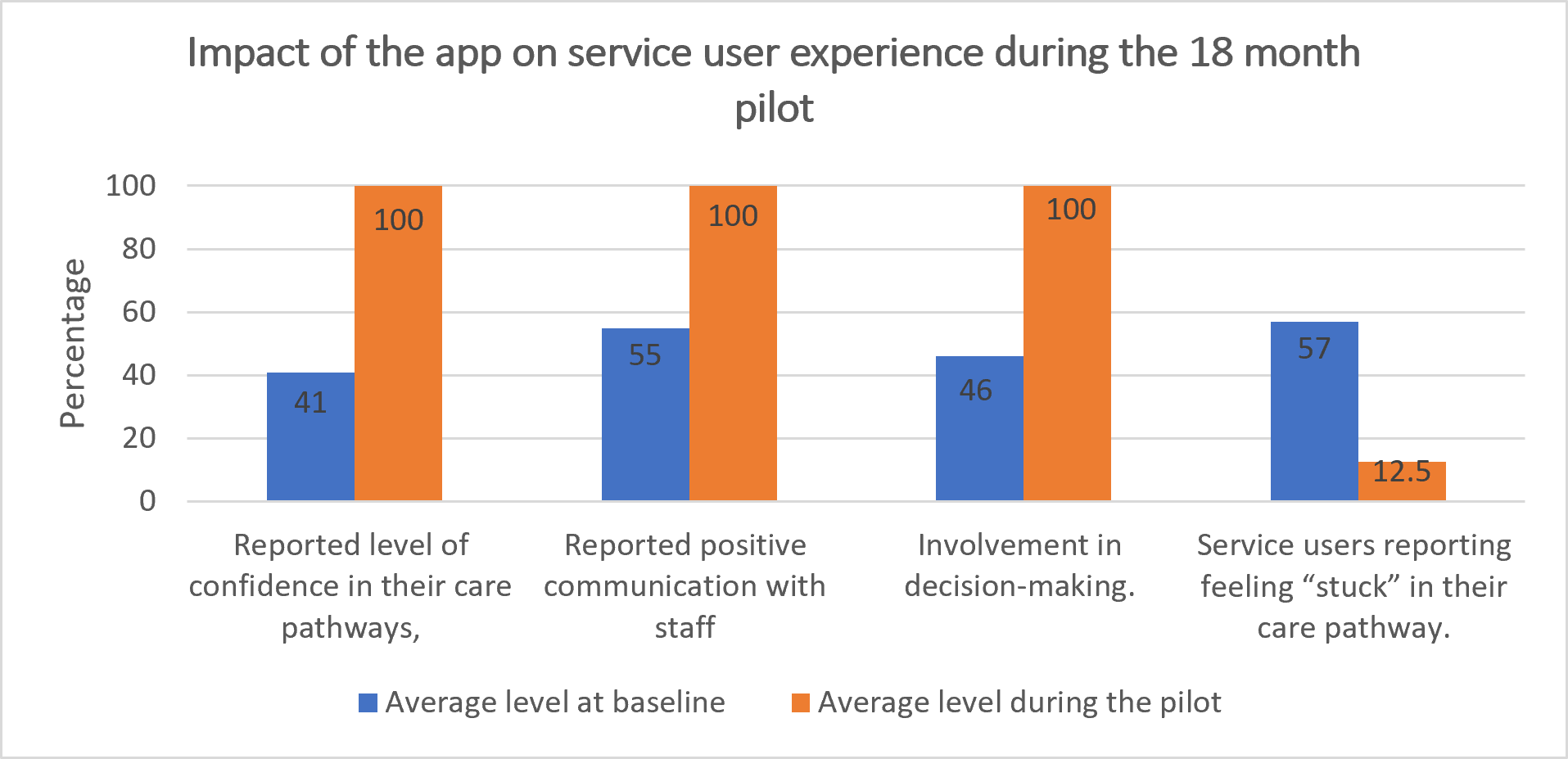
Figure 4. Pilot results in percentages showing improvements in service user experiences.
Key learnings from the coproduction, development and pilot of the app include:
- Listening matters: actively hearing and responding to service user perspectives was critical to shaping a solution that works.
- Local ownership drives uptake: ward champions played a key role in making the pilot successful, with strong engagement sustained over the 18‑month period.
- Digital change is complex—but worth it: navigating IT governance and system barriers was challenging, but essential to delivering meaningful improvements for service users.
Looking ahead, the team is finalising plans to roll out the app across all 17 forensic wards, continuing to test, learn and refine through ongoing codesign with staff— and, crucially, service users.
Most Read Stories
-
Why is Quality Control important?
18th July 2018
-
2016 QI Conference Poster Presentations
22nd March 2016
-
Recognising Racism: Using QI to Help Take Action
21st January 2021
-
-
QI Essentials: What does a Chief Quality Officer do?
18th March 2019
-
Using data enabled us to understand our problem
31st March 2023
Follow QI on social media
To keep up to date on the latest concerning QI at ELFT, follow us on our socials.