

Reducing intermittent observations whilst improving therapeutic engagement on a CAMHS Acute inpatient ward
23rd October 2025
What Is the Issue?
Many inpatient wards face challenges related to the overuse of intermittent observations, and lack of therapeutic engagement. As part of the Trust-wide Observation to Engagement Program, Coborn Acute Ward (CAMHS) identified key drivers which contribute to these issues (figure 1). Firstly, there is sometimes a lack of clarity around the rationale for placing young people (YP) on observations. Secondly, there are limited engagement opportunities at weekends, which can lead to increased boredom. Lastly, observation care plans can lack meaningful content and are not sufficiently focused on engagement.
Theory of Change
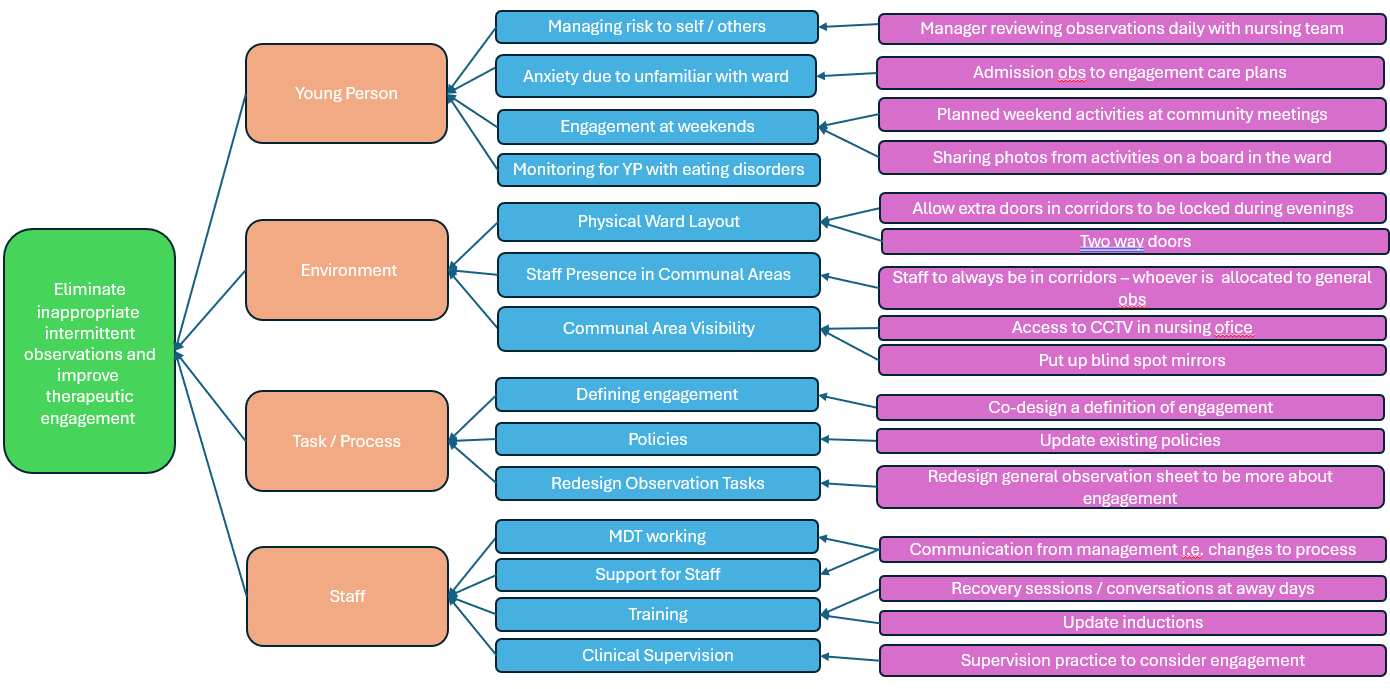
Figure 1 – Driver diagram illustrating the aim, drivers, and change ideas for this project
Change Ideas Tested
✨Weekend Activity Planning and Photo Board
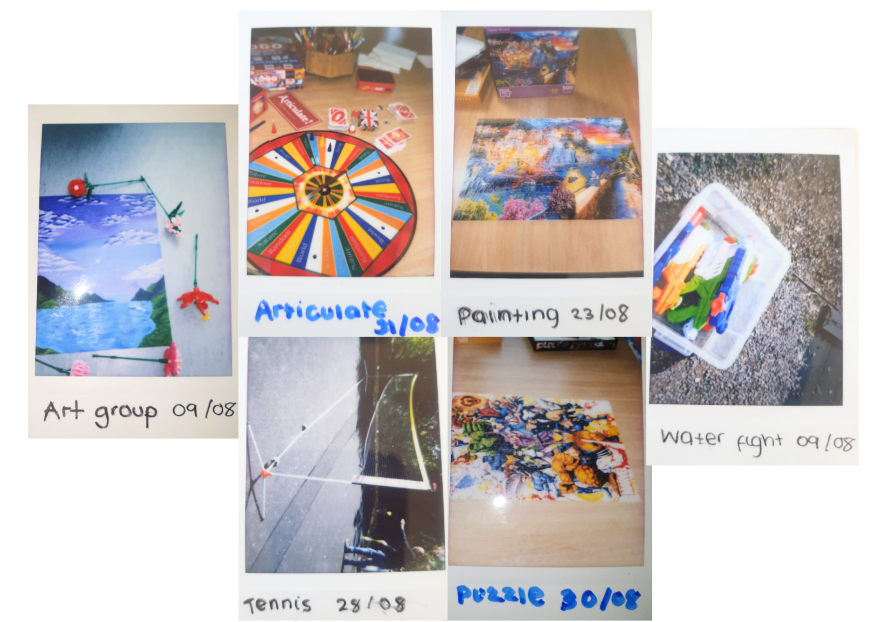
Figure 2 – Photographs taken by young people of the weekend activities, which are displayed on the ward
The theory of change behind this intervention is that structured weekend activities can reduce boredom and incidents, thereby decreasing the need for observations. This approach has led to an increase in weekend activities, with photos shared with young people and their carers to foster a sense of involvement (figure 2). Initial learning include the addition of community meetings to the MDT calendar, the importance of sticking to meeting agendas, encouraging young people to take the photos, and expanding the activity timetable.
✨Ward Manager Prompts in Huddles
This change idea is based on the theory that daily questioning of the rationale for observations can prompt staff to consider alternative approaches. On the first day of testing five intermittent observations were terminated, demonstrating immediate impact. The data shows that this intervention has led to a sustained decrease in the use of enhanced observations. Future possible steps include providing a list of alternative interventions and involving the ward doctor in these discussions.
Data
The team are looking at how many days that young people are on enhanced observations per week (figure 3). They have seen approx. 40% reduction in the use of all enhanced observations since the project started testing change ideas. Currently this data includes both 1-1 close observations and intermittent observations, and the reason for increase in October are due to an increase in young people requiring 1-1 observations.
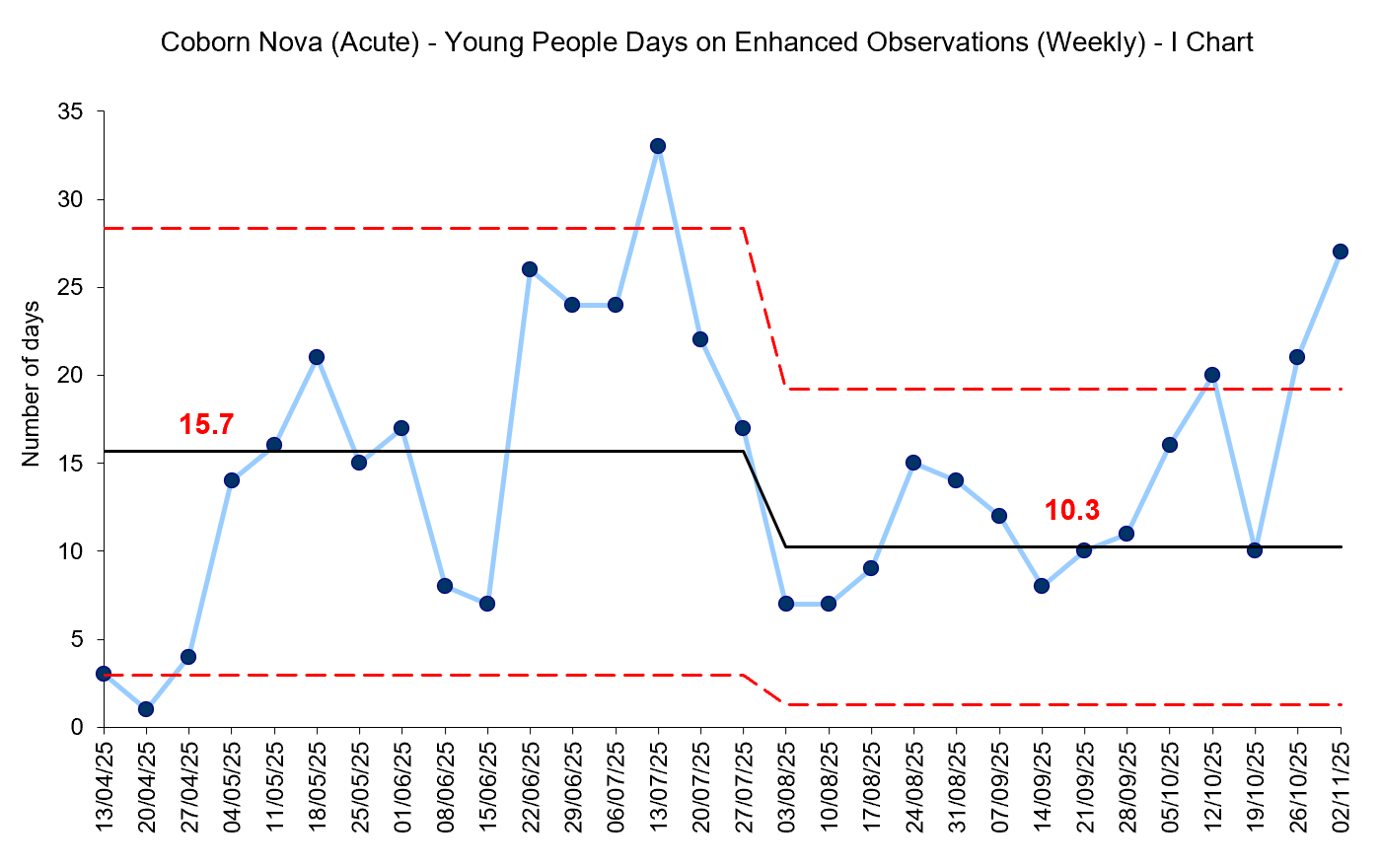
Figure 3 – SPC chart illustrating the number of days young people spent on enhanced observations per week
Next Steps
The team will continue testing and learning from the current change ideas while exploring additional ideas, with the aim to further reduce intermittent observations and improve therapeutic engagement. Data will continue to be reviewed regularly to track the ongoing impact of change ideas and ensure the accuracy of data recording. The team will also continue seeking views and ideas from young people about their experiences of engagement through community meetings and other ward spaces.
Most Read Stories
-
Why is Quality Control important?
18th July 2018
-
2016 QI Conference Poster Presentations
22nd March 2016
-
Recognising Racism: Using QI to Help Take Action
21st January 2021
-
-
QI Essentials: What does a Chief Quality Officer do?
18th March 2019

-
Using data enabled us to understand our problem
31st March 2023

Follow QI on social media
To keep up to date on the latest concerning QI at ELFT, follow us on our socials.